Boots and Moonlight Western Cowboy: A Designer’s Review
As an embroidery designer who has worked on countless projects for both personal and commercial use, I approach every new design with a critical eye. When I first opened the Boots and Moonlight Western Cowboy digital file, I was immediately drawn to its bold yet elegant composition. The black and white vector art carries a distinct western charm, blending celestial motifs with classic cowboy boots in a way that feels nostalgic and modern all at once.
A Visual First Impression That Speaks Volumes
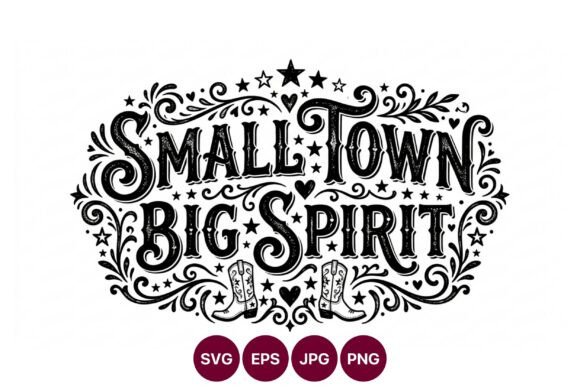
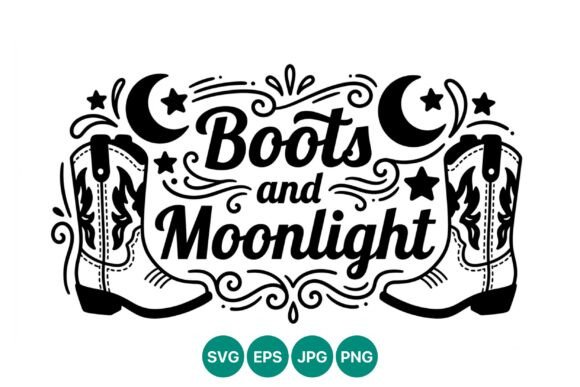
The phrase “boots and moonlight” is centered within a dynamic layout of crescent moons, stars, and decorative swirls. The western boots are detailed with stitching lines and texture that give them a hand-drawn authenticity. This isn’t just another generic western-themed graphic; it tells a story through its elements. The mood it creates is rugged yet romantic—perfect for evoking the spirit of the American West.
From a practical standpoint, the clean contrast between black and white makes this an excellent candidate for embroidery previews and mockups. It allows for easy visualization of how the final product will look when stitched onto fabric, especially when considering thread color choices later on.
Real-World Use Cases and Project Fit
I’ve used this design as a base for several real-life embroidery scenarios, and it shines in certain applications more than others. For instance, when preparing a custom embroidered sweatshirt for a boutique client, the Boots and Moonlight Western Cowboy added a touch of sophistication that matched their brand identity perfectly. The intricate details of the boots stood out well against the soft cotton fabric, while the crescent moons and stars gave the piece a dreamy, adventurous flair.
This design also works beautifully on tote bags. Its central focus and balanced layout make it ideal for a front-facing embroidery without overwhelming the bag’s space. As a tote bag design, it feels both stylish and versatile—something a customer could carry into a music festival or pair with a casual outfit downtown.
For baby items like pillow covers or onesies, I would recommend using a simplified version or scaling it down significantly. The level of detail might be lost on smaller surfaces or delicate fabrics. However, if you’re looking for something more mature, like for a personalized gift for a teenager or young adult, this design holds up exceptionally well.
Another strong application is in holiday gifts. Think of a custom sweatshirt or apron for a themed party—this design brings a unique blend of western and whimsical elements that can stand out in a crowd. It’s not too busy but still rich enough in visual interest to catch the eye.
Where It Works Best
- Custom Apparel: Sweatshirts, t-shirts, and jackets benefit from the design’s central placement and high-contrast lines.
- Boutique Merchandise: Its artistic quality aligns well with upscale handmade products and small shop branding.
- Embroidered Patches: The graphic lends itself well to patch-style applications where visual storytelling matters.
- Etsy Listings and Digital Embroidery Files: The SVG format makes it easy to integrate into printable mockups and digital product assets.
Where Caution Is Advised
While Boots and Moonlight Western Cowboy is visually appealing, there are specific contexts where its complexity could become a liability. For example, when working with small hoop sizes (under 6 inches), the fine details may get lost or distorted during stitching. You’ll want to check whether the design remains legible and impactful after resizing.
Textured or stretchy fabrics can also affect the outcome. The design relies on crisp lines and defined shapes, which may not stitch cleanly on materials like denim or spandex unless properly stabilized. Thin fabrics such as silk or rayon require extra care, as dense areas of satin stitch or fill stitch can cause puckering or transparency issues.
Products that need frequent washing, like baby clothes or tea towels, should consider using a lighter stitch density or reinforcing key areas with stabilizer to maintain clarity over time. Additionally, curved surfaces like caps or hats may require some manual adjustment to ensure the design lays flat and stitches evenly.
Design Details That Matter
The boot outlines and star patterns suggest a mix of running stitch and satin stitch techniques. The crescent moons are rendered in a way that invites experimentation with different thread colors, even though the original is in black and white. As always, test the design on scrap fabric before committing to a final project. This lets you see how the stitch density affects the overall look and feel of the finished product.
If you plan to sell this design or include it in your Etsy shop or craft business, make sure you understand the licensing terms. While the ZIP folder includes SVG files, you’ll need to confirm whether it supports resale or commercial use before listing it in your store.
Thread Color and Fabric Background Considerations
One thing I appreciate about this illustration is how adaptable it is to different thread color schemes. Whether you choose traditional black thread or go for a pop of color like red or blue, the design maintains its essence. But remember, thread colors must contrast sufficiently with the fabric background to ensure visibility and impact.
On dark fabrics, especially those with a deep navy or black tone, the design can still work—but you’ll need to adjust the stitch types and possibly add highlights or shading to enhance depth. On light backgrounds, the monochrome nature of the vector art really comes to life, making it a strong choice for tonal or minimalist embroidery styles.
Professional Tips for Optimal Results
- Test on Scrap Fabric: Before applying the design to a customer’s garment or a key item in your craft business, run a trial stitch to evaluate how the design behaves on your chosen material.
- Review Stitch Density: Pay attention to how tightly packed the stitches are in the boot and swirl areas. Adjusting density can prevent puckering and improve durability.
- Confirm Hoop Size: Larger designs like this one often require bigger hoops to avoid distortion. If you're unsure, consult the manufacturer's guidelines or conduct tests.
- Inspect Small Details: The crescents and stars are delicate features that may need reinforcement, especially if the design is scaled down or used on a thin fabric.
- Use Proper Stabilizer: Especially important for stretchy or slippery fabrics, stabilizers help maintain shape and reduce shifting during stitching.
- Check Licensing Terms: If you intend to resell the finished product or distribute the digital embroidery file, verify the license to avoid legal complications.
Customer Appeal and Brand Value
In my experience, customers respond positively to designs that feel intentional and well-crafted. Boots and Moonlight Western Cowboy achieves this by combining narrative elements with clean, scalable graphics. It adds character to handmade products and elevates the perceived value of custom apparel.
When applied to a tote bag or apron, the design doesn’t scream for attention but instead invites closer inspection. This subtlety can increase buyer engagement, especially for Etsy sellers and small shop owners who cater to niche markets. It also contributes to brand consistency for businesses with a western or rustic aesthetic.
Giftability and Recognition
Personalized gifts with this design have a strong emotional appeal. The imagery of boots under moonlight naturally connects with themes of adventure, nostalgia, and independence—qualities many buyers seek in meaningful keepsakes.
It’s recognizable even in black and white, which is a huge plus for digital embroidery files and printable mockups. This means your Etsy listings or social media previews won’t lose their visual punch when viewed in grayscale or on low-resolution screens.
Final Thoughts for Creative Entrepreneurs
The Boots and Moonlight Western Cowboy design is a standout in the world of illustrations and graphics. It offers a compelling visual story that resonates across a variety of embroidery projects. From custom apparel to boutique branding, it brings a sense of craftsmanship and personality that many clients and shoppers will appreciate.
However, its success depends on thoughtful execution. Take the time to understand how the design interacts with different stitch types, fabrics, and products. With proper preparation and testing, you can turn this into a signature asset for your craft business or creative portfolio.
In short, it’s a design worth investing in—but only if you’re ready to put in the effort to make it shine. As an experienced reviewer, I’d say it’s best suited for mid-to-large scale embroidery projects on stable, medium-weight fabrics where visual storytelling is key.