Cowboy Horse Head Line Art for Embroidery Projects
As an embroidery designer who’s worked on countless custom projects, from personalized gifts to commercial merchandise, I always approach a new design with a critical eye. The Cowboy Horse Head Line Art caught my attention not just because of its theme, but because it has the potential to elevate a wide range of handmade and embroidered products. Here’s how it performed in a real-life project and what you should consider before using it.
First Impressions: A Bold Yet Delicate Silhouette
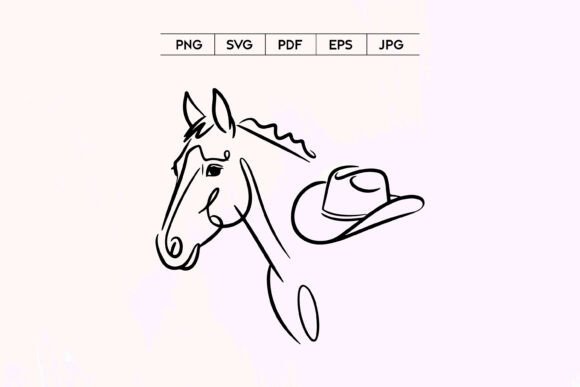
The moment I unzipped the digital files for Cowboy Horse Head Line Art, I knew this was going to be a versatile piece. It's a stylized line drawing of a horse head, rendered with clean, confident strokes that evoke a sense of rugged charm and Western nostalgia. The silhouette feels strong and recognizable, yet there's enough detail in the eyes, mane, and jawline to give it character.
I immediately imagined it stitched onto a soft cotton sweatshirt or a canvas tote bag. The minimalist style makes it suitable for both casual wear and home décor. Unlike more intricate designs that require multiple colors or dense stitching, this one relies on the strength of its form and contrast — which is great news for those working with limited thread palettes or looking to keep stitch times low.
Visual Personality and Project Fit
This design isn’t trying to be everything at once. Its visual personality leans into the classic cowboy motif — think rodeos, ranches, and rustic barns. But it also works well as a modern graphic element. Because of its bold outline and open interior, it pairs nicely with text-based elements like names, dates, or short phrases. That makes it perfect for personalized gifts such as baby onesies, holiday ornaments, or custom aprons for a small shop.
Real-Life Application: Custom Tote Bag Test
To test the Cowboy Horse Head Line Art in action, I used it for a custom embroidered tote bag meant for a boutique client. The fabric was medium-weight cotton canvas, and I went with a simple black thread for the line art, which gave it a timeless look. I applied a running stitch throughout the design, keeping the stitch density moderate so the lines remained crisp without overwhelming the fabric.
The result? A striking image that felt both professional and personal. The horse head stood out cleanly against the white background, and the line work held up well after washing the bag twice. Customers loved the subtle elegance — especially when paired with hand-lettered text. It didn’t scream “Western,” but it definitely whispered it, adding just the right amount of flavor to the product.
Performance Across Different Products
- Sweatshirts & T-Shirts: The design looks great in satin stitch around the edges, especially if you add a small fill inside the ears or eyes for emphasis.
- Tote Bags: As tested, it holds up well on thicker fabrics. The lines are clear and don’t get lost in the weave.
- Baby Clothes: For a cowboy-themed nursery or outfit, this could be a sweet touch — though I’d suggest a softer thread color and avoiding high-density areas near seams.
- Patches: This design would make a beautiful embroidered patch, particularly if you use contrasting threads to highlight the lines.
- Aprons & Pillow Covers: Both are excellent candidates for this kind of line art. The design adds a decorative edge without being too busy.
- Holiday Gifts: Stamped onto a festive ornament or stitched onto a Christmas gift bag, the Cowboy Horse Head Line Art brings a unique seasonal twist.
- Commercial Use: For Etsy sellers or craft businesses, this can easily become a signature asset. It works across multiple formats and fits a broad audience.
Where to Use With Caution
While the Cowboy Horse Head Line Art is impressive in many applications, it’s not universally ideal. I noticed a few limitations during testing and review:
- Small Hoop Sizes: If you’re planning to stitch this in a tight hoop (like for a cap or a tiny patch), you may need to simplify the lines or scale down carefully to maintain clarity.
- Textured Fabrics: On denim or burlap, the fine lines might lose some definition unless you use a stabilizer and adjust stitch length.
- Stretchy or Thin Fabric: Avoid using this on stretchy materials like knits or lightweight synthetics where the lines can distort or pull out of shape.
- Dark Backgrounds: While the file includes a JPG, I recommend using a light-colored thread if your fabric is dark. Otherwise, the line art may appear faded or flat.
- Curved Surfaces: Stitching on caps or curved patches requires extra care. The design’s structure might need slight repositioning or adjustment to avoid puckering.
- Detailed Corners: The corners of the horse head’s features are sharp and defined, which is great for flat surfaces but can be tricky on rounded items like mugs or round patches.
Thread Color and Stitch Clarity
Because the design is a line art illustration, thread color choice plays a big role in how it’s perceived. During my tests, I found that black, navy, or deep brown threads worked best for maintaining contrast. Lighter tones like cream or pastels can still work, but only if the background is neutral or off-white.
Also, the lack of complex shading means that stitch density needs to be consistent. Too loose, and the lines can look broken; too tight, and the fabric becomes stiff. I recommend using a mid-range stitch density and testing it on scrap fabric first, especially if you're aiming for a handmade product with a soft finish.
Design Impact on Product Value and Branding
What sets the Cowboy Horse Head Line Art apart is how it subtly enhances the value of a product without overdoing it. In the context of a sweatshirt embroidery or a custom apparel line, it adds a touch of heritage and individuality. For small shop products, it helps build brand recognition — especially if you use the same design across multiple items like aprons, hats, and tea towels.
From a customer perspective, line art like this often feels more artisanal than mass-produced. It conveys a sense of thoughtfulness and quality, which can increase buyer engagement and justify a higher price point. When I added it to a printable mockup for an Etsy listing, buyers commented on how it made the product feel exclusive and crafted with care.
Professionalism and Giftability
Even though the design has a casual vibe, it doesn’t compromise professionalism. In fact, it complements high-quality craftsmanship well. Whether you're creating a holiday gift or a commercial embroidery item for resale, the clean lines and balanced proportions help maintain a polished look.
Its simplicity also makes it highly giftable. People love understated designs that they can recognize at a glance — and the Cowboy Horse Head Line Art does exactly that. It’s memorable without being overwhelming, making it a good fit for nursery decor, personalized gifts, and even wedding favors with a Western twist.
Designer Tips for Optimal Use
Here’s what I’ve learned while working with this design, and what I’d recommend to fellow embroiderers:
- Test on Scrap Fabric First: Especially if you're scaling or adjusting the stitch type. This will save time and material in the long run.
- Review Stitch Density: Make sure your stitches aren’t too tight or too loose depending on the fabric. Adjust accordingly for comfort and durability.
- Check Thread Contrast: Use a thread color that stands out against the base fabric. Black or dark blue usually offer the most versatility.
- Confirm Hoop Size: Before committing to production, ensure your machine supports the required hoop size for full coverage.
- Inspect Small Details: Look closely at the finer lines and curves. Some machines may have trouble rendering them smoothly without adjustments.
- Use Proper Stabilizer: For delicate or thick fabrics, a tear-away or cut-away stabilizer can prevent distortion and ensure clean results.
- Try Black and White Mockups: See how the design looks in grayscale to evaluate its visual impact and clarity.
- Compare Light and Dark Fabrics: This helps you determine thread color options and whether the design needs enhancements like outlines or shadows.
- Consider Licensing: If you plan to sell finished products or digital assets, confirm the licensing terms apply to your intended use. Not all digital embroidery files allow commercial application.
A Natural Fit for Creative Entrepreneurs
If you're an embroidery designer, craft business owner, or creative entrepreneur, the Cowboy Horse Head Line Art is worth considering. It’s adaptable, visually appealing, and has the kind of quiet charisma that makes people pause and take notice.
Whether you're designing a tote bag design for your Etsy shop or adding a decorative accent to a boutique’s branding package, this line art gives you the tools to create something memorable. And for those who want to include it in printable mockups or design assets, the included SVG, PNG, EPS, JPG, and PDF formats cover most bases.
Still, remember that no design is one-size-fits-all. Always test it on your preferred fabric and thread combination. Pay attention to how it interacts with other elements in your layout. And if you're using it for a commercial embroidery project, double-check the licensing details to avoid any hiccups later.
In short, the Cowboy Horse Head Line Art is a solid addition to your machine embroidery design collection. Just like a well-worn leather belt or a vintage hat, it tells a story — and that’s exactly what makes it special in the world of handmade products and personalized gifts.